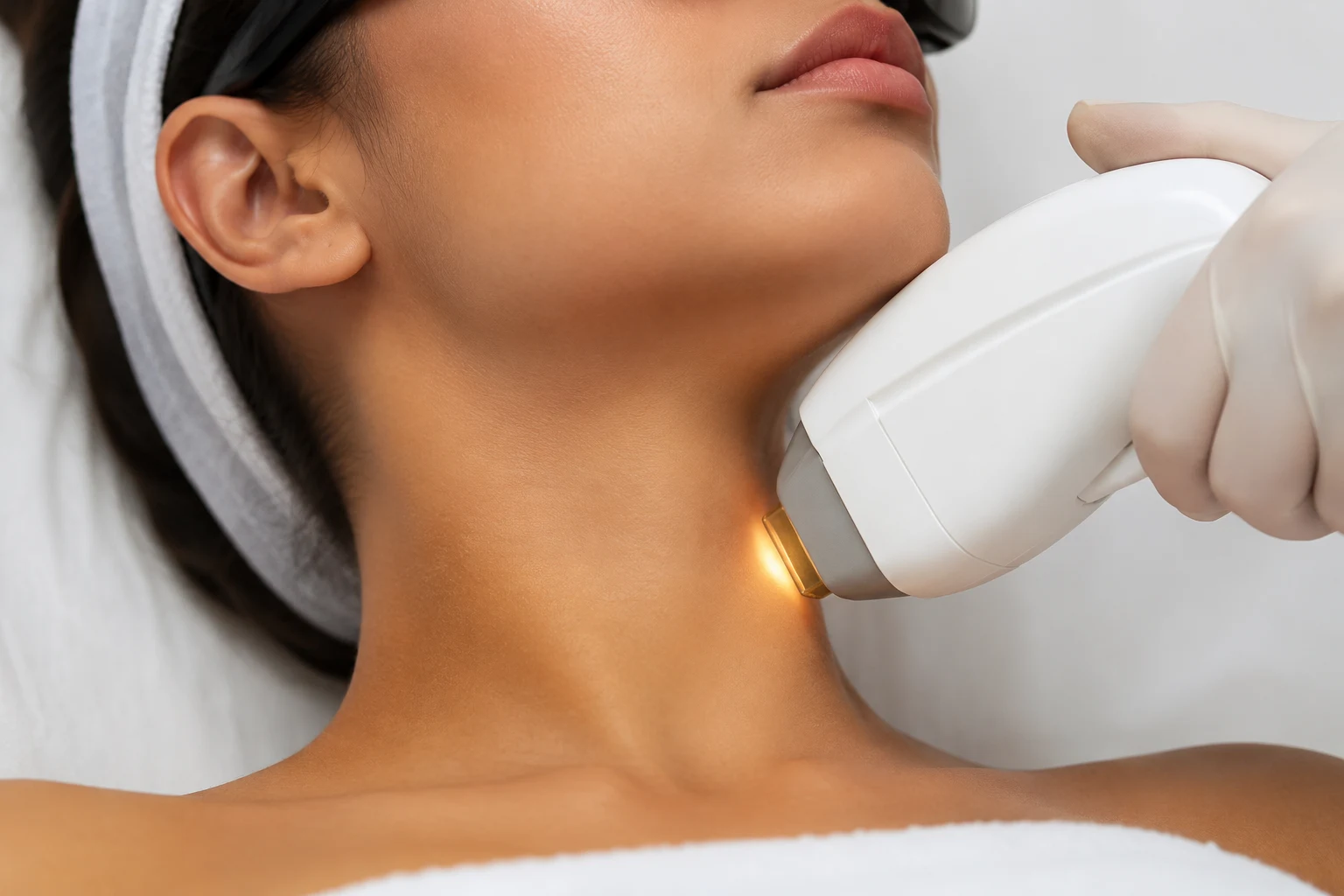
Many people with darker skin or recent sun exposure worry about booking laser treatments. They fear burns, discoloration, or unsatisfactory results. The good news is that modern laser technology has made treatments safer and more effective for a wider range of skin tones than ever before.
When researching laser hair removal for tanned skin in Forest Hills, it’s vital to know how lasers work with melanin. This knowledge helps you make a smart choice. Today’s advanced systems can safely treat many skin types when the correct technology and settings are used.
Laser hair removal works by targeting melanin, the pigment found in hair follicles. The laser energy heats the melanin in the hair shaft, destroys the follicle, and helps prevent future hair growth.
The complication with darker skin is that melanin is also present in the skin itself. When the laser cannot distinguish between the melanin in your hair and the melanin in the surrounding skin, two things can happen: burns and hyperpigmentation after laser treatment. This is why older laser systems, particularly the Alexandrite laser alone, have historically been considered less suitable for deeper skin tones.
Is laser hair removal safe for brown skin? Yes – when performed with the correct wavelength and settings. The key factor is how deeply the laser energy goes and how selectively it targets hair follicles compared to the surrounding skin.
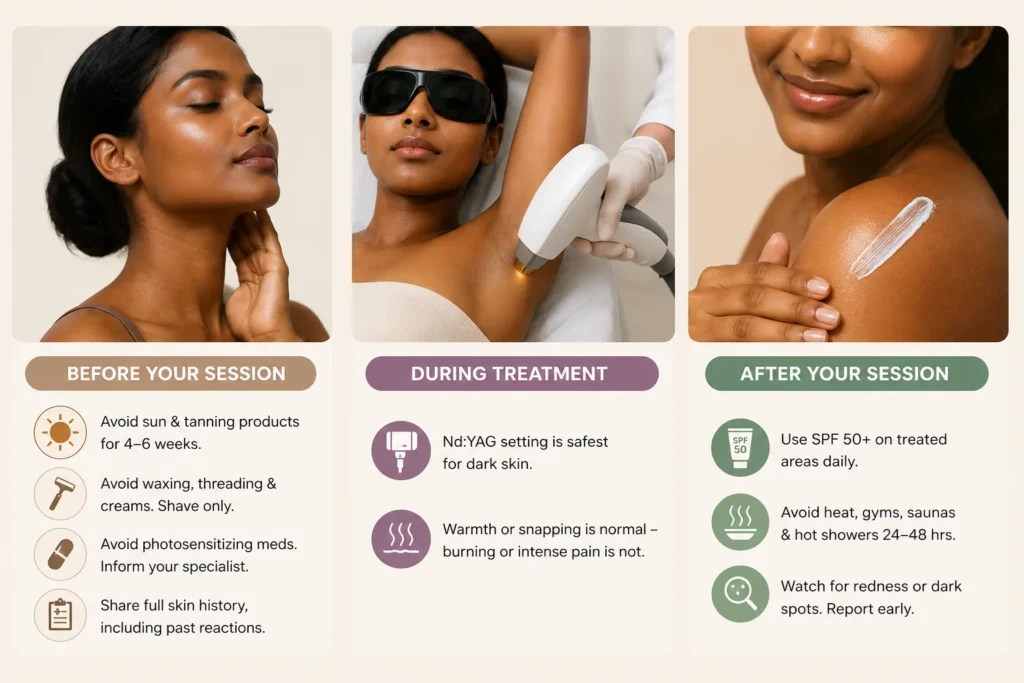
The Nd:YAG laser dark skin protocol is the gold standard for this reason. The Nd:YAG laser works at a 1064 nm wavelength. This allows it to penetrate deeper into the skin and avoid the melanin in the upper layer. It targets the hair follicle directly with far less risk of surface burns or discoloration.
The newer dual-wavelength systems mix Nd:YAG with Alexandrite. This lets specialists combine both wavelengths for better results on all skin types, even tanned and melanin-rich skin. Duo Dental and Laser Spa in Forest Hills uses this technology with the Splendor X by Lumenis, powered by BLEND X.
This is where people get confused. Does laser hair removal work on tanned skin? Yes, it does, but tanning boosts the melanin in your skin. This raises the chance of the laser targeting the skin instead of the hair. Most specialists recommend waiting four to six weeks after sun exposure or self-tanning before a session.
The diode vs Nd:YAG laser comparison is one of the most important things to understand before booking a session.
| Laser Type | Wavelength | Best For | Risk on Dark Skin |
| Alexandrite | 755 nm | Fair to medium skin | Requires careful assessment |
| Diode | 800 to 810 nm | Medium to olive skin | Moderate risk |
| Nd:YAG | 1064 nm | All skin types including dark | Lowest risk |
| Blend (Nd:YAG + Alex) | Dual wavelength | All skin types | Safest when calibrated correctly |
The Splendor X by Lumenis at Duo Dental and Laser Spa is a unique dual-wavelength system. It’s the only one using BLEND X technology. It makes it effective and safe for safe laser hair removal dark skin cases that single-wavelength systems cannot handle as confidently.
Melanin absorption of laser energy is the core physics of why skin tone matters. Lasers operate on selective photothermolysis. This means specific chromophores, like melanin in hair, absorb laser energy at certain wavelengths. They then convert this energy into heat, which destroys the follicle while leaving nearby tissue unharmed.
The challenge with higher laser hair removal Fitzpatrick type ratings is the ratio of epidermal melanin to follicular melanin. A qualified specialist accounts for this by:
This is not something that can be left to a generic setting or an undertrained technician. It requires clinical assessment and real experience with melanin-rich skin.
Agnessa Vinson, RDH, CLS is a Licensed Cosmetologist and Certified Laser Specialist trained at the accredited Berkowits School. Since 2017, she has been the only iS Clinical provider for post-chemo skincare in Queens. This credential comes from her work with very sensitive skin cases.
Every laser hair removal tanned skin Forest Hills session with Agnessa starts with a full skin tone assessment. No generic settings. No guesswork. She creates a custom treatment plan based on your Fitzpatrick type, hair texture, and goals. Then, she delivers it with the skill of a clinician who has studied skin for decades.
To safely do laser hair removal on dark skin, focus on these three key areas: preparation, choosing the right provider, and aftercare.
Interested in starting laser hair removal but concerned about cost? Duo Dental and Laser Spa offers financing options that can make treatment more manageable. Schedule a consultation to discuss your skin type, treatment goals, and available payment solutions while creating a personalized treatment plan. Book Your Consultation Today!
Q1. Is laser hair removal safe for brown skin tones?
Yes. Safe laser hair removal for dark skin is achievable using Nd:YAG or dual-wavelength systems calibrated for deeper Fitzpatrick skin types.
Q2. What laser is best for dark skin hair removal?
The Nd:YAG laser dark skin protocol at 1064 nm is the gold standard – it bypasses surface melanin and targets the hair follicle directly.
Q3. Does laser hair removal work on tanned skin?
Laser hair removal tanned skin Forest Hills treatments work best when you wait four to six weeks after sun exposure before your session.
Q4. What is the Fitzpatrick skin type scale?
The Fitzpatrick skin type scale classifies skin from Type I (very fair) to Type VI (very dark) and guides safe laser settings for each patient.
Q5. Can laser hair removal cause hyperpigmentation on dark skin?
Yes, if the wrong laser or settings are used. Hyperpigmentation after laser treatment is preventable with correct wavelength selection and post-care SPF use.
Q6. How does melanin absorption affect laser hair removal?
Melanin absorption of laser energy is the core mechanism. Higher skin melanin competes with follicular melanin, which is why wavelength and pulse settings must be adjusted for darker skin.
Q7. What is the difference between a diode and an Nd:YAG laser for dark skin?
The diode vs Nd:YAG laser comparison shows Nd:YAG penetrates deeper and carries significantly less risk of surface burns on melanin-rich skin.
Q8. Is laser hair removal safe for brown skin that is also photosensitive?
Skin photosensitivity laser risk is managed by reviewing medications, avoiding sun exposure pre-treatment, and using proper cooling systems during the session.
Q9. What do laser hair removal results look like for dark skin before and after?
Laser hair removal dark skin before and after outcomes are comparable to lighter skin when six to eight sessions are completed using the correct laser technology.
Q10. Is there a laser hair removal skin tone guide for 2026?
The laser hair removal skin tone guide 2026 best practice is Nd:YAG or BLEND X dual-wavelength for Types IV to VI and Alexandrite for Types I to III.
Q11. Are there laser hair removal myths about dark skin I should know?
The biggest laser hair removal myth dark skin patients encounter is that darker skin cannot be treated safely. Modern technology has eliminated that limitation entirely.
Q12. How is laser hair removal different for melanin-rich skin?
Safe hair removal for melanin-rich skin needs:
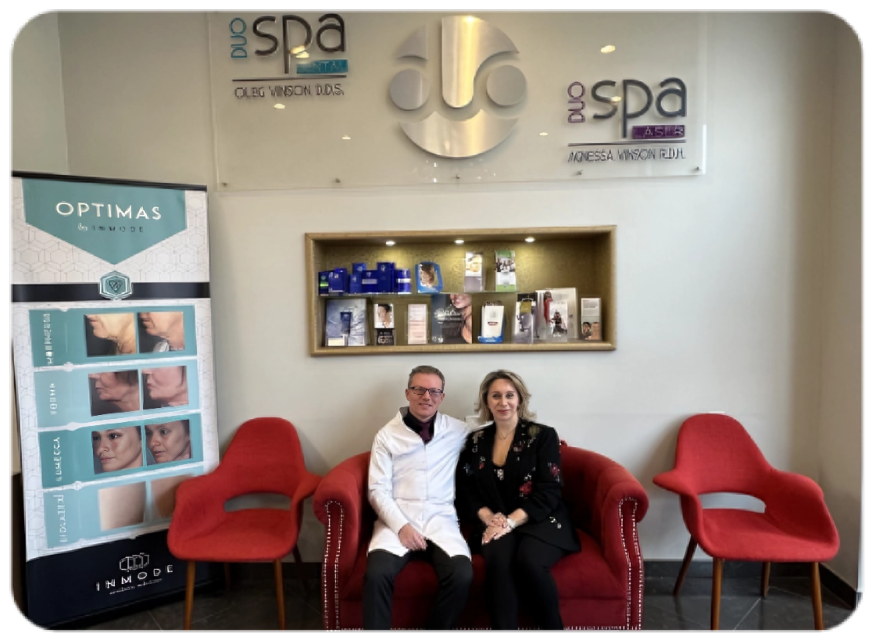
Small businesses grant much personalization, reinforce close-knit family values and the concept of teamwork, and channel revenue largely within a community.
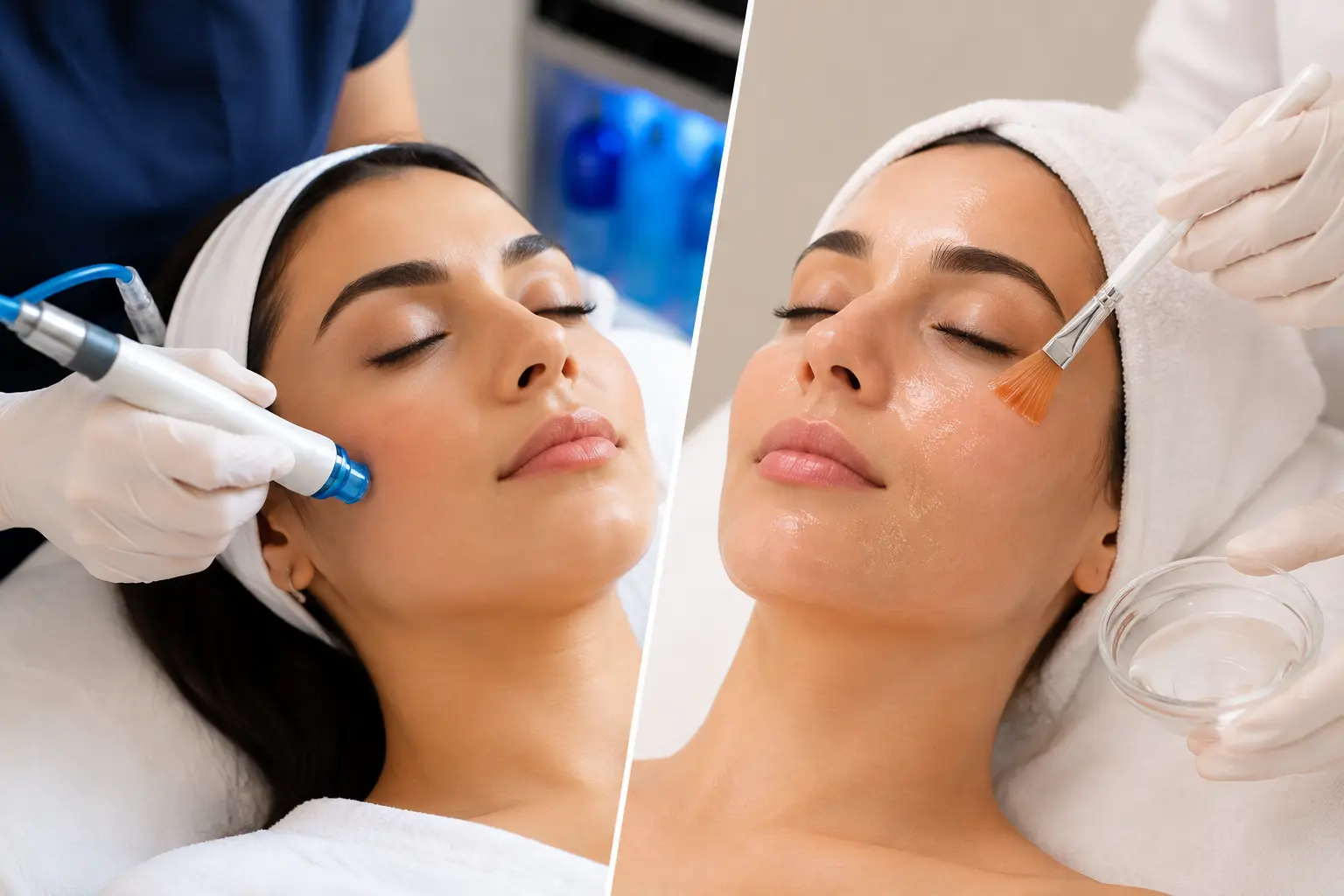
At Duo Dental and Laser Spa, we offer Hydrafacial in Forest Hills and PRX Peel under one roof. We want you to walk in knowing exactly which treatment fits your skin goals, so here is a clear, honest breakdown of both.
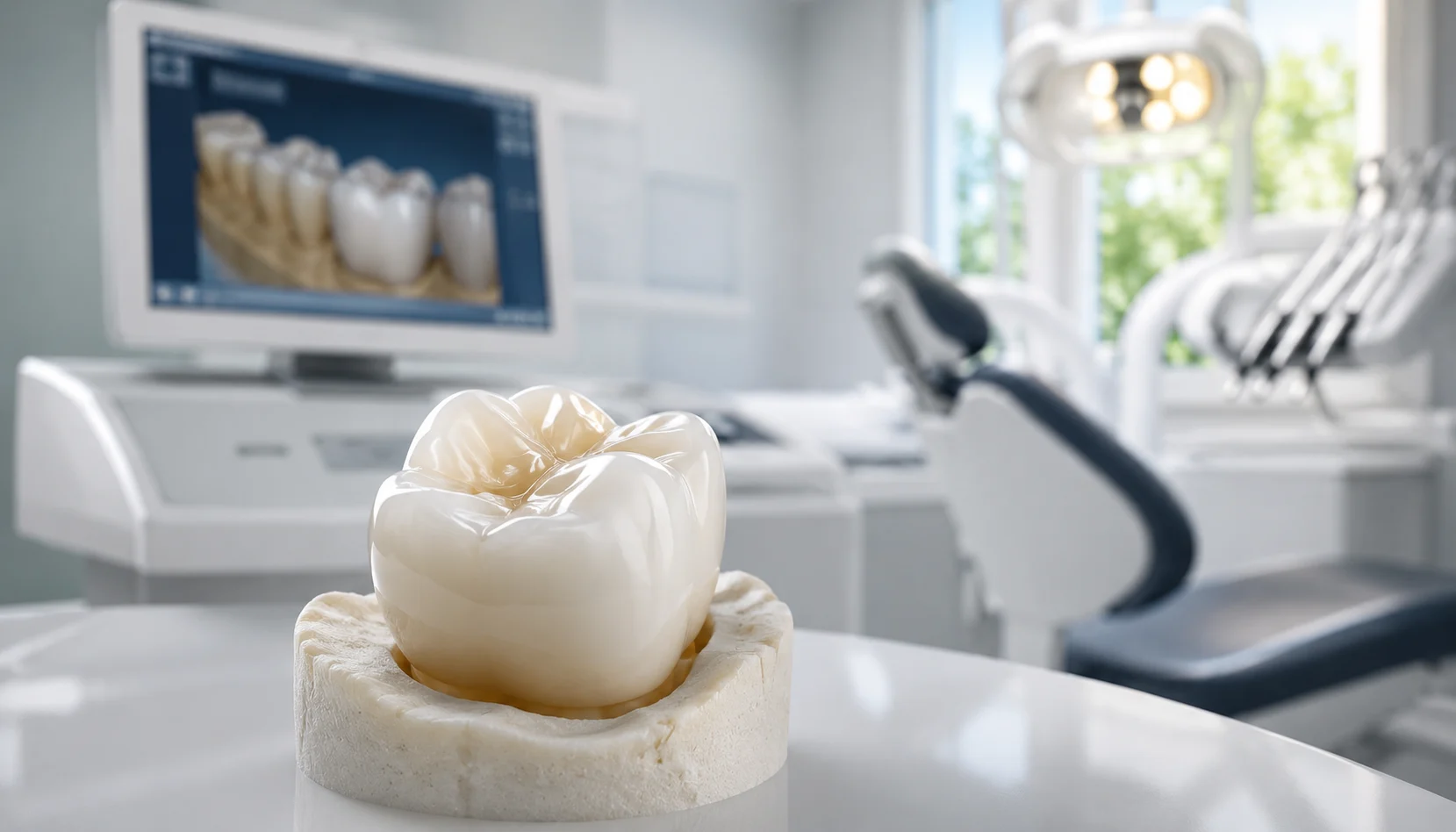
This guide explains how CEREC forest hills work, what to expect during your appointment, and why so many patients in Forest Hills prefer same-day treatment over traditional methods.
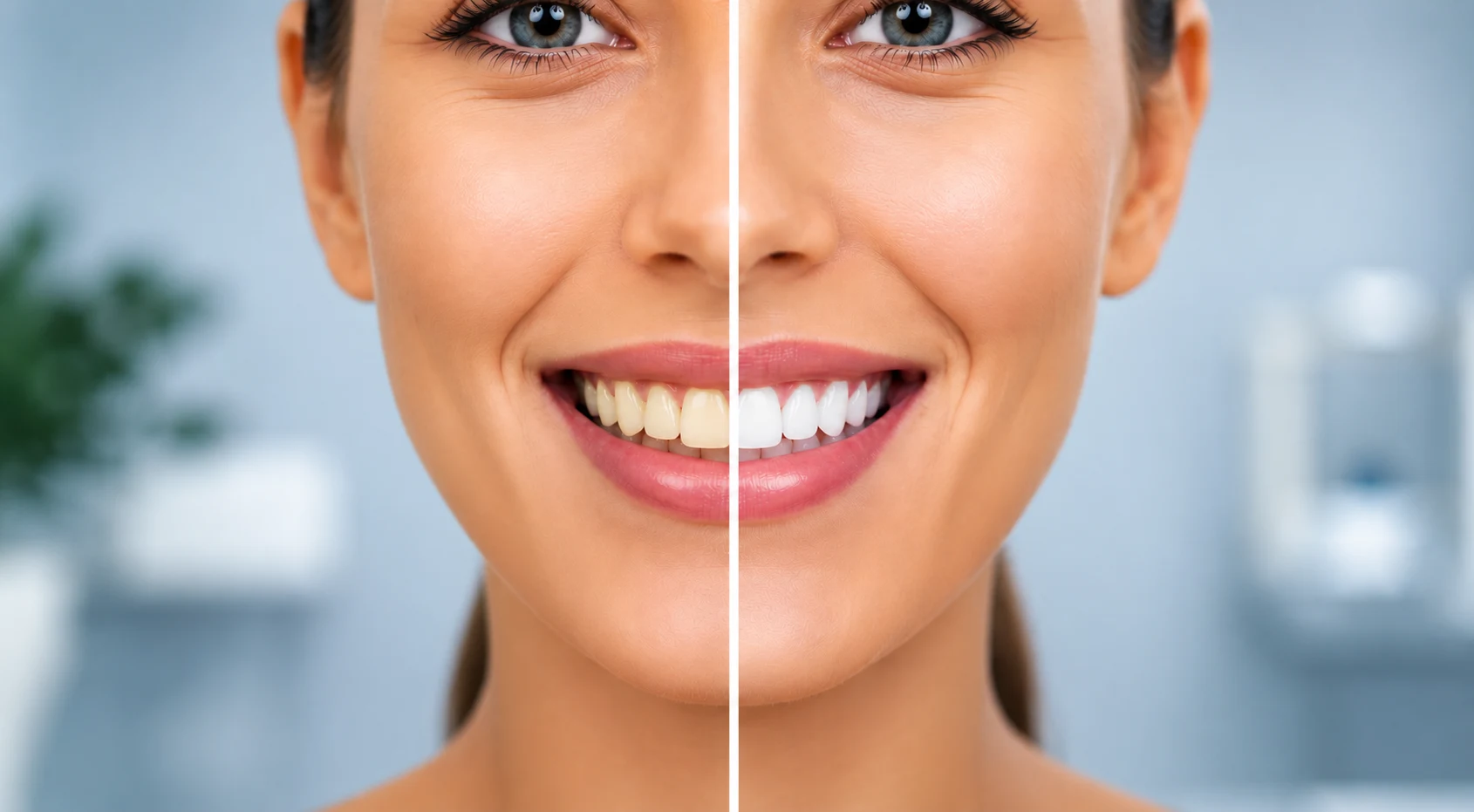
Understanding how long whitening results last helps you decide if professional treatment is worth the investment. It also helps you develop a realistic plan for keeping your smile bright.
CONTACT US